Blue Planet III Coming Soon....

Narrated by Sir David Attenborough, Blue Planet III marks the return of the franchise that transformed audiences' understanding of life beneath the waves. Twenty-five years after the groundbreaking original series first brought the oceans into homes around the world, the new series reveals extraordinary new stories from some of Earth's most important and least understood environments.

Filmed using cutting-edge technology. Attenborough has promised to "venture even further" and uncover marine life that is "more precious than we ever realised" in Blue Planet III.

“We will uncover life that is more surprising, more intelligent, and even more precious than we ever realised. We will discover the extraordinary relationship we have with the ocean. One that has never been more important to understand.”
— Sir David Attenborough


Shooting Underwater VFX Plates

Mark Sharman is an underwater cinematographer specialising in underwater camera work for film, television, natural history and visual-effects productions. His recent work has included filming underwater VFX plates for an upcoming BBC Science programme (due to broadcast in December 2026).

Shooting Underwater VFX Plates: Capturing the World Before the VFX

For an underwater cinematographer, this creates a fascinating challenge:

How do you capture real underwater footage that gives a VFX team everything they need to build the finished shot? This is where underwater VFX plates come in.

What is a VFX plate?

In simple terms, a plate is photographic footage that becomes one of the building blocks of a visual-effects shot. It might contain an environment, a section of seabed, rocks, vegetation, water movement or an empty area of the frame. The VFX team can then add digital characters, creatures, environments or other elements to that original photography. The audience may never see the plate on its own. Instead, it becomes part of something much bigger.

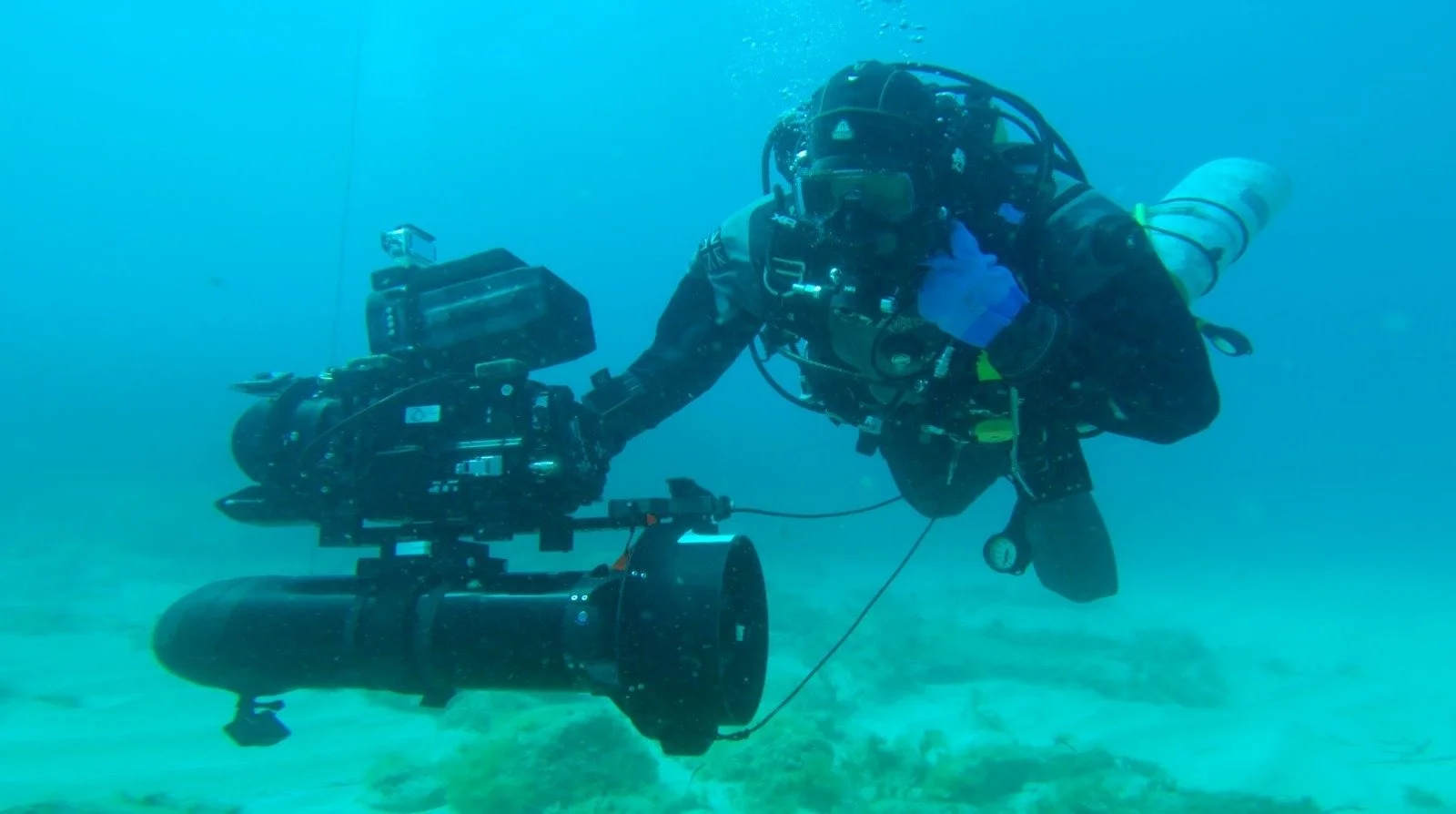
Mark filming VFX plates in Malta, 2026

“The more authentic information you can capture in camera, the more you give the VFX team to work with. You’re not trying to do their job — you’re giving them a really strong photographic foundation”
— Mark Sharman
“The interesting thing about shooting plates is that you’re often filming something that isn’t actually the subject of the final shot. You’re creating the physical world for something else to exist in”
— Mark Sharman

That requires a different mindset from conventional underwater wildlife cinematography as you're filming for what comes next.

When I'm filming wildlife, I'm generally looking for behaviour. I'm watching the animal, anticipating its movement and trying to put the camera in the right place at the right moment. With VFX plates, the thinking changes. There may be no animal at all. There may not even be an obvious subject. Instead, I'm thinking about what the VFX team will need later. Where might the digital subject appear? What will the camera movement be? How much space needs to be available within the frame? What environmental details will help establish scale, depth and perspective? And perhaps most importantly: Does the footage give the VFX team enough information to make their work believable?

Underwater makes everything more complicated

Water creates a constantly changing environment. Light behaves differently. Visibility changes. Particles move through the water column. Vegetation responds to currents. The camera itself is affected by buoyancy and movement. Even a seemingly simple static shot can contain an enormous amount of environmental information. That's actually one of the great advantages of shooting underwater plates. The real environment gives the VFX team something that can be difficult to reproduce convincingly from scratch: real water, real light and real movement. The challenge is capturing it in a way that remains useful once the digital elements are added.

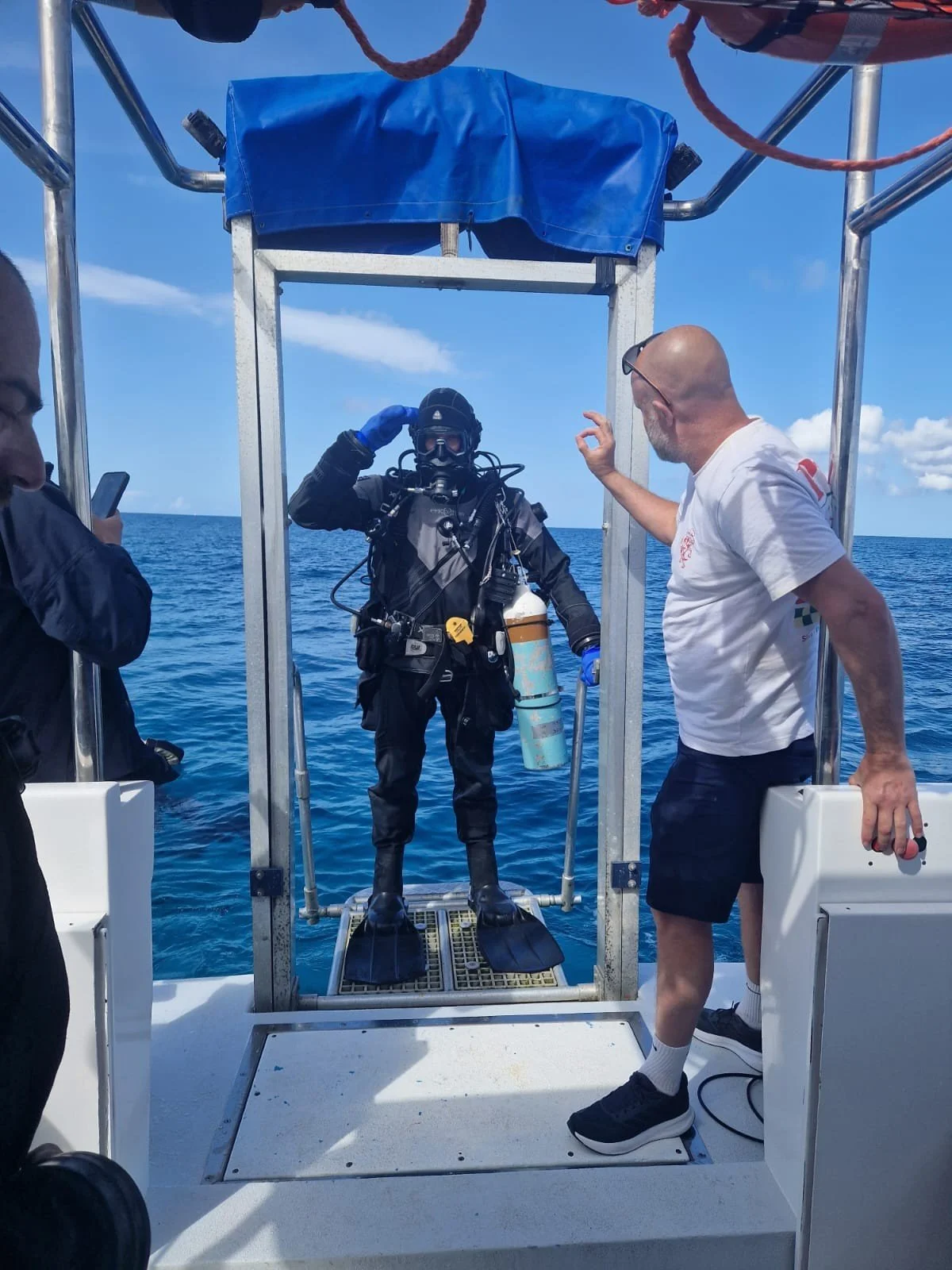
Mark ready to film VFX plates in Malta, 2026

“Underwater is never really static. Even when you’re holding the camera still, the environment is moving around you. You’re dealing with currents, changes in buoyancy, your own position in the water and the movement of the camera within that environment. After years of working underwater, you learn to anticipate those things rather than simply react to them. You start to understand how a current is going to affect a camera move, how a small change in your position can alter a composition, and how to make that movement work for the shot. For VFX plates, that becomes particularly important because the camera movement needs to be controlled and repeatable. The aim isn’t necessarily to make the camera static — it’s to make the movement intentional”
— Mark Sharman

Light becomes part of the visual-effects language

Underwater light has its own visual characteristics. Colour is absorbed with depth. Contrast changes. Sunlight filters through the surface. Particles catch the light. Shadows and caustics move with the surface above. All of those things become part of the photographic reference. If a digital creature is going to be placed into an underwater plate, it needs to feel as though it exists within the same physical environment. That means the VFX team needs more than a pretty background. They need the light, atmosphere, texture and movement of the real underwater world.

Scale is especially important underwater

Underwater environments can be deceptive. Without familiar reference points, it can be surprisingly difficult to judge the size or distance of objects. A rock formation can look enormous from one angle and relatively small from another. A seabed can appear much closer or further away depending on visibility and water conditions. For VFX, establishing scale is critical. The relationship between the camera, the environment and whatever is eventually added digitally has to make physical sense. This is one of the reasons underwater cinematography is about much more than simply operating a camera in a housing.

Bringing underwater experience to VFX

After more than 20 years working as an underwater cinematographer, I've developed an understanding of the practical realities of filming beneath the surface — from movement and buoyancy to light, visibility, wildlife behaviour and the constantly changing underwater environment. Those skills are valuable far beyond traditional wildlife cinematography. Whether the camera is being used to capture a real animal, a human story, an environment or photographic plates for a visual-effects sequence, the fundamentals remain the same: Understand the environment. Control the camera. Capture the detail. And give the story something real to build on. For productions using visual effects to extend or transform underwater environments, that photographic foundation can make all the difference.

Mark Sharman works with production companies and VFX teams to capture underwater plates and environments for visual-effects productions. Mark is available for underwater VFX projects worldwide - please feel free to get in touch:

Mark +44 (0)7779 227307 mark@sharmancam.co.uk

Immersive Underwater Cinematography

For more than 20 years, Mark Sharman has worked beneath the surface as an underwater cinematographer, filming for broadcast, documentary and commercial productions around the world.

Now, underwater cinematography is entering a new era….

In July 2026 Mark completed his specialist training to operate the Blackmagic URSA Cine Immersive camera underwater, using the Gates Immersive Housing. He is now one of a very small number of Operators globally trained to work with this system underwater.

It opens up an entirely new creative discipline: underwater immersive cinematography.

Instead of simply watching the underwater world through a conventional frame, immersive filmmaking has the potential to place the viewer inside it — surrounded by the environment, movement and atmosphere of the ocean.

Taking immersive underwater

Immersive filmmaking is not simply traditional underwater cinematography in a different format.

The Blackmagic URSA Cine Immersive has been designed specifically for Apple Immersive Video, capturing stereoscopic 180-degree footage at very high resolution and frame rates. Combined with the Gates Immersive Housing, the system can take this new generation of spatial filmmaking beneath the surface.

For an underwater cinematographer, that changes the creative possibilities considerably:

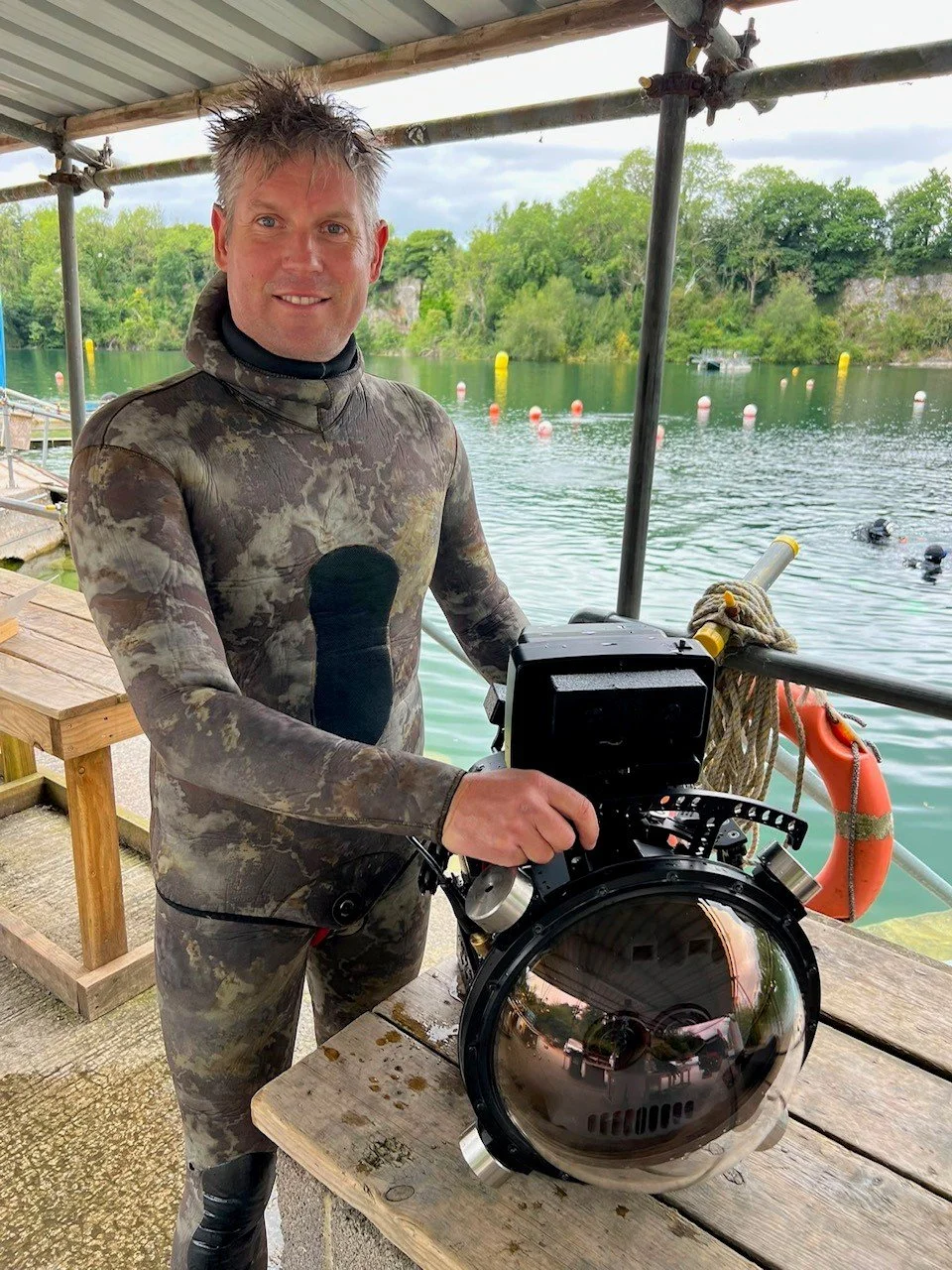
Mark with the The Blackmagic URSA Cine Immersive + Gates Immersive Housing

“A conventional camera asks the audience to look at a scene. Immersive cinematography gives them the feeling of actually being there.

The technology makes that possible, but the technology itself isn’t the story. What interests me is what happens when the audience feels truly present inside the world you’re filming.

For me, this is the natural evolution from underwater cinematography to immersive storytelling”
— Mark Sharman, Underwater Cinematographer

A new generation of immersive filmmaking technology:

“My experience underwater has always been about more than simply operating a camera. You have to understand the environment — the movement of the water, the light, buoyancy, wildlife behaviour and the way all of those things come together visually.

It also takes patience. Knowing when to move, when to wait, and when to let a moment unfold naturally.

Immersive filmmaking adds another dimension to that craft. The viewer has a much greater sense of space and presence, so movement, composition, proximity and pacing all become part of the experience in new ways.

For me, it isn’t a departure from underwater cinematography. It’s the natural evolution of it.”
— Mark Sharman, Underwater Cinematographer

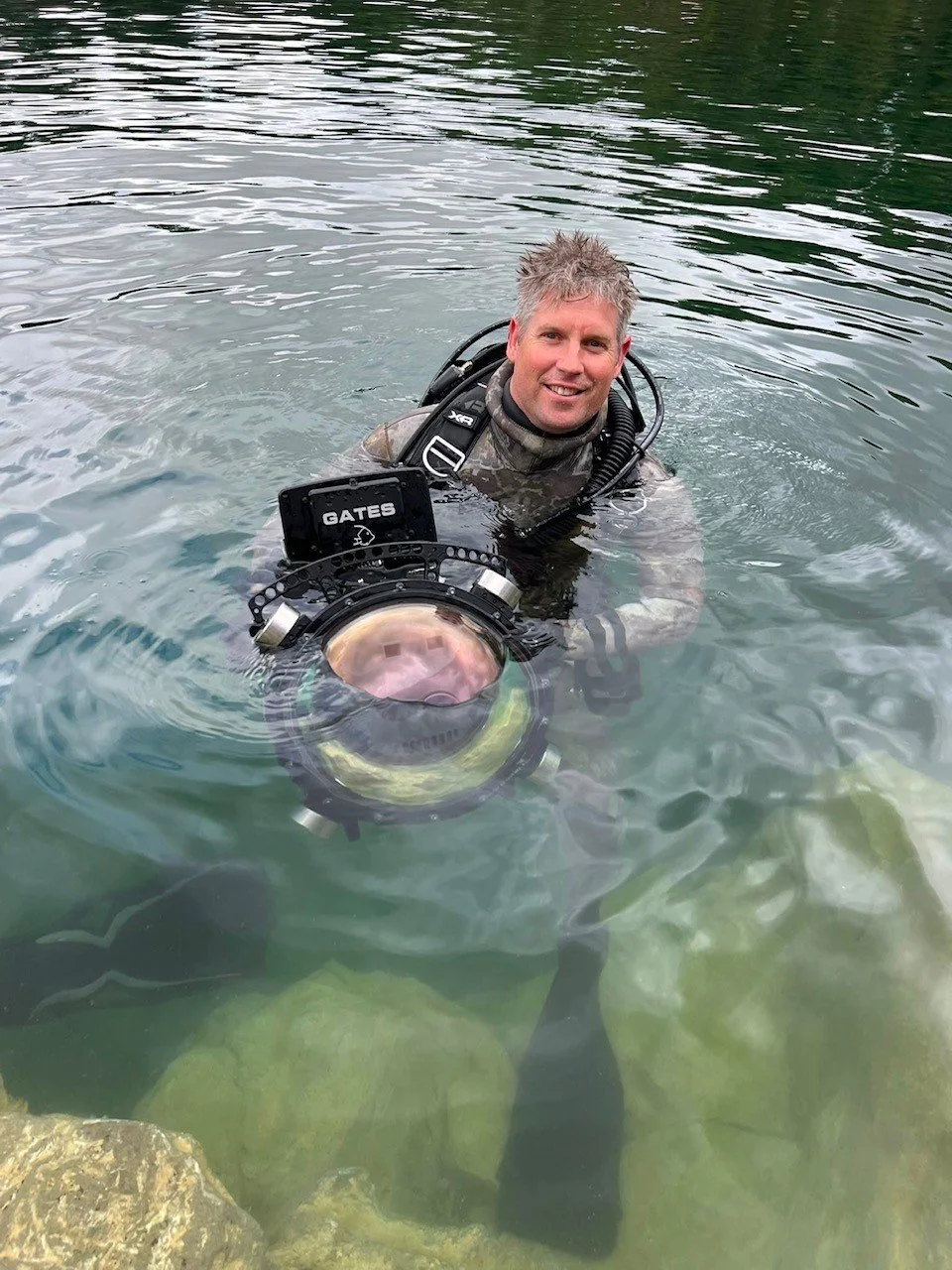
Mark preparing to dive with the Blackmagic URSA Cine Immersive + Gates Immersive Housing

The creative possibilities extend far beyond traditional natural history filmmaking. Immersive underwater cinematography can open new opportunities for:

  • Documentary & natural history
    Bringing audiences closer to wildlife, environments and stories that are difficult or impossible to experience in person.

  • Brands & commercial productions
    Creating distinctive cinematic experiences
    Underwater cinematography •  Luxury brands •  Human stories • Advertising • Experiential • Art

  • Immersive cinema & installations
    Creating large-scale experiences
    Museums • Galleries • Immersive venues • Hotels •Spas • Exhibitions • Public spaces

  • Spatial media
    Developing content for Apple Vision Pro and the growing ecosystem of premium spatial experiences.

  • Education & exploration
    Giving audiences an entirely new way to experience marine environments, scientific research, exploration and underwater heritage.

For Mark, underwater immersive cinematography represents the next chapter in an already established career. With more than two decades of experience filming underwater around the world, he brings the practical knowledge of working in challenging underwater environments together with specialist training in one of the newest forms of cinematic capture.

The result is a rare combination:

  • Underwater expertise

  • Immersive technology

  • Cinematic storytelling

Mark is available for underwater immersive productions, documentaries, brand collaborations, installations and experimental projects worldwide.

If you're a production company, creative agency, brand, filmmaker or immersive experience developer exploring what underwater immersive could bring to your next project, please feel free to get in touch.

Mark +44 (0)7779 227307 mark@sharmancam.co.uk

Interview with Six Senses Laamu, Maldives

This month Maldives Underwater Initiative (MUI) are thrilled to feature a special guest blog from acclaimed underwater cinematographer Mark Sharman, whose striking footage of the 2024 coral bleaching in Laamu Atoll has been featured in the new global documentary ‘Ocean’, narrated by Sir David Attenborough. Mark has visited Six Senses, Laamu several times, collaborating with the Maldives Underwater Initiative (MUI) to tell our team’s research stories, as well as to document marine life, including the challenging times for our coral reefs. In this Q&A, we explore Mark's perspective on filming vulnerable ecosystems, his connection to the Maldives, and the power of visual storytelling in marine conservation.

Mark, tell us a bit about yourself. What led you to become an underwater cinematographer?

I grew up loving watching wildlife documentaries narrated by David Attenborough and this transformed into an interest and love for filming and making videos and studying film and TV production at college and University. I was a competitive swimmer growing up too, so always loved being in the water and pushing my limits. The underwater world really captured my imagination in books and TV programmes, so scuba diving was the next step after swimming and I put all my interests together and went on a mission to turn my combination of interests into a career, and I haven’t looked back!

You've filmed all over the world—what makes Laamu Atoll special to you?

I’ve been lucky to forge a career in this field for the past 20 years, and it’s taken me all over the world, filming in some of the world’s best dive locations. The Laamu Atoll in the Maldives is special as it’s a place I’ve been able to enjoy with my family too, which has been a rare thing. I’ve been able to begin sharing what I love about the ocean with my two children and wife, whose first scuba dives were at Six Senses Laamu. I’ve been lucky enough to spend multiple trips diving on the reefs around Laamu, so I feel like I’ve got to know the area much more than other places I’ve visited.

Can you describe the moment you first witnessed coral bleaching in Laamu? What were you feeling as you filmed it?

My trip to Laamu in May 2024 was to base the trip around filming the bleached corals of the area. This was heartbreaking to witness first hand, these magnificent unspoiled reefs suffering in the latest El Niño event, which caused a wave of warm sea temperatures to come through, stressing the corals and ultimately ending many of their life. Only a few months prior to this, I’d seen and filmed these reefs in pristine condition, so it was shocking to see how quickly things can change. Luckily not all corals were affected by the bleaching event. I purposefully travelled to the worse hit areas, to show the worse of the impact and I am glad to hear from the team, that some of the reefs that I filmed are recovering.

Your footage has reached a global audience through Ocean. Why do you think it's important for people to see these changes?

There was a time in the industry, not too long ago, that environmental and human impact issues were generally avoided in wildlife documentaries. The commissioners didn’t think the audience would want to see ‘bad news’, and just want escapism. This attitude has now completely changed, and whilst animal behaviour and how it is filmed is still the main driving force, it is now common for the films to include human impact stories; to shock and inform. I think is important for these stories to be told as it is the elephant in the room, it could be argued that a lot more could have been done a lot sooner, but I’m glad audiences are being shown the beauty as well as the ugly side of our relationship with the natural world.

What was it like to know your footage would be part of a film narrated by Sir David Attenborough?

When I was in Laamu in May 2024, I reached out to a number of producers, letting them know I would be in the Maldives at the peak of the coral bleaching. Toby Nowlan, the producer of Ocean with David Attenborough let me know that tracking shots of reefs which had been heavily bleached would be useful in a montage he wanted to include in the film, to show just how widespread the damage was around the world. Although heartbreaking to see and film, I was pleased that it would be shown to a wide audience, and be included in this important film.

Have you seen a response or impact from people who watched Ocean and saw your footage?

Ocean with David Attenborough was one of those rare films which really makes it into the mainstream consciousness. You can tell a film has made an impact when newspapers’ front pages and editorials are dedicated to marine protection and fishing policy in the days following the launch of the film. The trawling in particular really sparked outrage and the release of the film coincided with a global conference on marine protection, so it seemed to really speak to politicians, policymakers and the public alike. On social media it was clear the stories from the film were being shared far and wide, and my posts about my small involvement were the most liked this year. It just goes to show the impact a film can have when it resonates and hopefully it can help adjust certain policies as part of its legacy.

What role do you think visual media plays in inspiring ocean conservation?

Visual media is hugely important in inspiring ocean conservation, it is now one of the main driving forces and goes hand in hand with the actual scientific field work. We live in a day an age where promoting the work of scientists and NGOs via social media is essential, and for the good or bad, a lot of young people get most of their information from social media, so it will no doubt help inspire a new generation of future conversations, hopefully before it is too late.

⁠What was your experience working with the MUI team on the ground?

⁠I spent a number of weeks in early 2024 filming with the MUI team at Six Senses Laamu. It was great to be able to use my skills and experience, both with topside, underwater and drone filming to help with the team’s messaging and publicity. It was an opportunity for guests to see this work in action, the MUI team does a lot to engage children and young people in marine science, so it felt good to be able to help bring these stories to an even wider audience outside of the resort.

How has your view of the ocean changed through years of filming and witnessing environmental shifts?

I did my first dives 25 years ago, and I first dived in the Maldives in 2014. It’s difficult to say how much change I’ve witnessed first hand, as my diving has been so widespread and not concentrated in one area. Unfortunately what I am seeing is much more frequent El Niño events, with less time between each one for the reefs to recover. It is a sad fact that if things continue the way they are going, coral reefs will be consigned to history, which we cannot let happen.

Is there a particular scene, species, or moment from Laamu that stayed with you?

Having spent 14 weeks across three different trips at Laamu in 2024, there were a lot of memories, a lot of which I’ve captured with my camera. The manta rays are probably the highlight for me, one of the closest dive sites to the resort is a manta cleaning station and I was lucky enough to see a number of rays coming through and being cleaned by cleaner wrasse fish, that was always incredibly special, seeing such beautiful and gentle giants moving so gracefully just metres away.

What advice would you give to aspiring filmmakers who want to use their skills to protect the planet?

My advice to aspiring filmmakers would be to start small and local and build from there. Most people have a smart phone to film and edit videos these days, with platforms ready and waiting to be published to. It couldn’t be more accessible to start making a difference. It’s hard to know where to start when there are so many concerns and big issues to tackle out there. But most of us live in a country which will have had its natural spaces and native wildlife depleted, so that’s as good a place as any to highlight and show what’s being done, and what can be done to give local biodiversity a boost.

What’s next for you—any upcoming projects or messages you'd like to share?

I’ve been lucky to be involved on a couple of shoots for the upcoming Blue Planet III series. My next will be towards the end of this year, and it will be another chance to show a wide audience what’s going on in the world. We will all be hoping Sir David will be narrating the series, and if so, he will have reached 100 by the time it broadcasts, a truly remarkable achievement, someone we have all been inspired by.

About ‘Ocean by David Attenborough’

Ocean is a powerful nature documentary that explores the beauty, complexity, and fragility of our planet’s marine ecosystems. Narrated by Sir David Attenborough, and produced with the support of the Blue Marine Foundation, the film combines breathtaking underwater cinematography with urgent storytelling to highlight the critical threats facing the ocean—from coral bleaching and plastic pollution to climate change and overfishing. Featuring locations around the globe, including footage by Mark Sharman filmed in Laamu Atoll in the Maldives, Ocean is both a visual masterpiece and a compelling call to action to protect our blue planet.

Mark’s powerful visuals remind us just how much is at stake beneath the waves—and how much beauty we still have left to protect. You can learn more about what our team at MUI are doing to help protect Laamu’s corals here . The team is happy to report that spawning events and coral propagation have already helped support new growth on Laamu’s reefs.

We were honoured to share Mark’s voice and vision as we continue working together to raise awareness, restore our reefs, and inspire action. Stay tuned for more guest blogs and behind-the-scenes stories from the people working to safeguard the Maldives' incredible marine ecosystems.

https://www.sixsenses.com/en/hotels-resorts/asia-the-pacific/maldives/laamu/
British Cinematographer Magazine Interview

As natural history production explodes, programmers are looking to connect audiences with wildlife in new ways. Three wildlife cinematographers shooting with RED cameras share the techniques and technology they use to capture the natural world.

It just might be the golden age of natural history programming. BBC, PBS, National Geographic, and Discovery, the traditional homes of wildlife documentaries, are being joined by streaming services like Netflix, Disney+ and AppleTV+. Series like Blue Planet  spun away from presenting earth as a perfect Eden to confront issues of animal and human preservation. Advances in technology, including drones, UHD cameras and infra-red imaging have also enabled new stories to be told in a more cinematic way. On the frontlines of this still growing genre are the cinematographers who are shooting incredibly compelling wildlife imagery while embedded in natural habitats.  

Matthew Goodman 

The Emmy-nominated Serengeti series follows the interconnected stories of a cast of savannah animals in a bold new dramatised natural history format produced for Discovery and the BBC. The intimacy established between viewers and animals is the result of some virtuoso camera work by producer John Downer and his team, which includes cinematographer Matthew Goodman.  

Cinematographer Matthew Goodman brings the imaging tools and storytelling techniques of a conventional drama into the domain of wildlife

Cinematographer Matthew Goodman brings the imaging tools and storytelling techniques of a conventional drama into the domain of wildlife

“The idea is to engage people who wouldn’t normally watch nature docs by trying to capture more intimate, emotionally driven stories,” Goodman says. “We’re bringing the imaging tools and storytelling techniques of a conventional drama into the domain of wildlife.”   

The New Zealand-based cinematographer pairs the RED DRAGON with a Canon 50-1000 lens which is becoming the standard for filming wildlife. “There is such a wide range of focal lengths with this lens that you can get wide landscape scenes yet also zoom right in to get full faces of the subjects while maintaining a distance from them that doesn’t disturb them. The last thing you want to be doing in environments where it’s this dusty, or in heavy rain is to be exposing the camera to the elements.  

“It’s also important to streamline what you take,” adds Goodman. “Most of the filming in the Serengeti was vehicle based but the style is often run and gun. You need to be ready to always capture behavior which is why I use a Shotover F1 [a 6-axis gyro stabilised rig] to film when the vehicle is moving. With a Shotover you can film as you approach and pass something and keep the shot stable.”  

When shooting for months on end in remote regions, as Goodman did in the Serengeti National Park, he needed gear that was going to hold up in extreme conditions. “The more experience you get, the more you can identify what kit is going to work and whether you can troubleshoot it if something goes wrong. You’ll be waiting weeks if you have to fly something back for repair. With RED I’ve never had a problem.”  

Erin Ranney   

Erin Ranney is based in both Alaska and Washington state. While she gets sent on location all over the world, a lot of the time she is filming in the remote landscapes of Northern America. Ranney, who completed a master’s in Wildlife Documentary Production in England, is also a trained guide and naturalist in Alaska’s bear country. 

While Erin Ranney gets sent on location all over the world, a lot of the time she is filming in the remote landscapes of Northern America

While Erin Ranney gets sent on location all over the world, a lot of the time she is filming in the remote landscapes of Northern America

“If you’re looking for really specific behavior with wildlife, it can mean months of waiting for it to happen,” says Ranney. “When it does, you need to be ready so the pre-record is really handy for those few extra seconds before you can hit the trigger. It took a lot of trial and error to combine my field skills with my developing camera skills, but nothing replaces actually working through problems yourself,” she says. “I don’t come from a technical background but there are great user guides online and I found the EPIC-W easy to use.” 

Supplementing the RED with a A7Sii and drone, Ranney’s work has appeared in shows for BBC, PBS, Smithsonian, and National Geographic. “I tend to shoot 6K and push the frame rate off-speed, especially when going close up with bears. You want the detail because they move a lot quicker than people expect. When they’re going after fish it’s nice to have that grand slow-motion shot but keep it high resolution.”  

A Canon 50-1000mm CINE-SERVO is her go-to lens for achieving both wider shots and intimate moments without having to take her focus away from eyepiece. “Shooting from a distance means you are able to let the animal act more naturally. Having that range allows you to peek inside a world you wouldn’t normally get to see without disturbing the animals.”  

Mark Sharman  

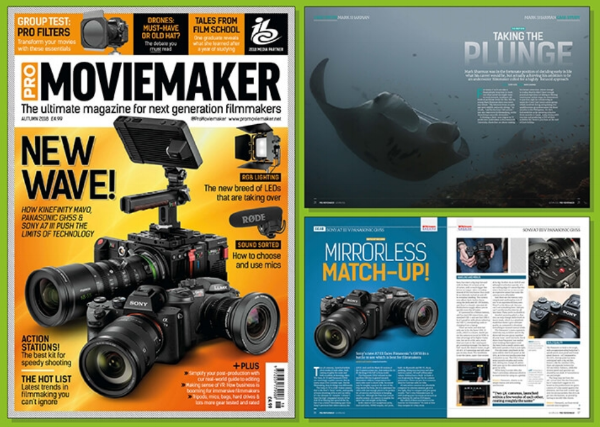
“The approach to filming wildlife is now more akin to feature film production, but with far fewer people involved,” says cameraman Mark Sharman. “My role is multi-faceted and covers cinematographer, operator, grip and sometimes even the gaffer. We’re always thinking about how we can cover the behaviour effectively, whilst also trying to make the sequence as cinematic as possible with both the underwater and topside visuals.”  

Cameraman Mark Sharman requires specialised equipment alongside the main camera to capture underwater sequences in a beautiful and dynamic way

Cameraman Mark Sharman requires specialised equipment alongside the main camera to capture underwater sequences in a beautiful and dynamic way

Sharman studied Television Production at Bournemouth University and qualified as an HSE commercial scuba diver before going on to specialise in filming wildlife and people in marine environments for high-end natural history productions. He has filmed across the globe with credits including Night on Earth (Netflix), Blue Planet Live (BBC One), Chasing Ocean Giants (Discovery+) One Strange Rock (National Geographic) and Jago: A Life Underwater (BBC and Netflix).  

Underwater camerawork requires specialised equipment alongside the main camera, often a RED DSMC2 GEMINI 5K S35 in a Gates Pro Explore underwater housing. Sharman uses a range of additional kit to capture full sequences in a beautiful and dynamic way. This could include using underwater optical (Nikonos) lenses manufactured for analogue SLR use in the 1990s, which together with an adaptor can be used in combination with the latest digital cinema cameras in the DSMC2 range. He also employs a powerful zoom lens (50-1000mm) housed in a Shot Over M1 that he positions on a jib arm off a boat to smoothly track fast moving wildlife at the surface. A Diver Propulsion Vehicle (DVP) with an underwater camera attached is used to help track marine life at speed. 

“The big advantage for underwater use of the GEMINI is the dual ISO sensor and fantastic dynamic range. Even on a bright sunny day the natural light levels drop the further you descend and being able to use the native 3200 ISO low-light sensor is a massive advantage, as it gives me a couple of extra stops. We’re often filming macro subjects and you need to let in as much light as possible whilst reducing any unwanted noise. 

“The other issue is when pointing the camera upwards the light will be extremely bright with blazing shards of sun hitting the surface but when you tilt the camera down, it’s a very dark sea below. The wide dynamic range of the GEMINI really helps because you can’t usually open up or close down the iris during a shot.”  

Another essential function of the RED DSMC2 range is the pre-record, which gives a minimum of 4 seconds (up to 20 seconds) for insurance. “That is one of the key advantages of shooting on RED cameras for wildlife. You haven’t got unlimited card space and often you’re waiting with your finger on the trigger for a particular action or behaviour to happen. You can’t keep rolling for minutes on end, so to have the ability to set the pre-roll even when shooting high frame rate off-speed is a big advantage and it has helped capture some big moments!”

Interview by Adrian Pennington

‘Night on Earth’ Netflix

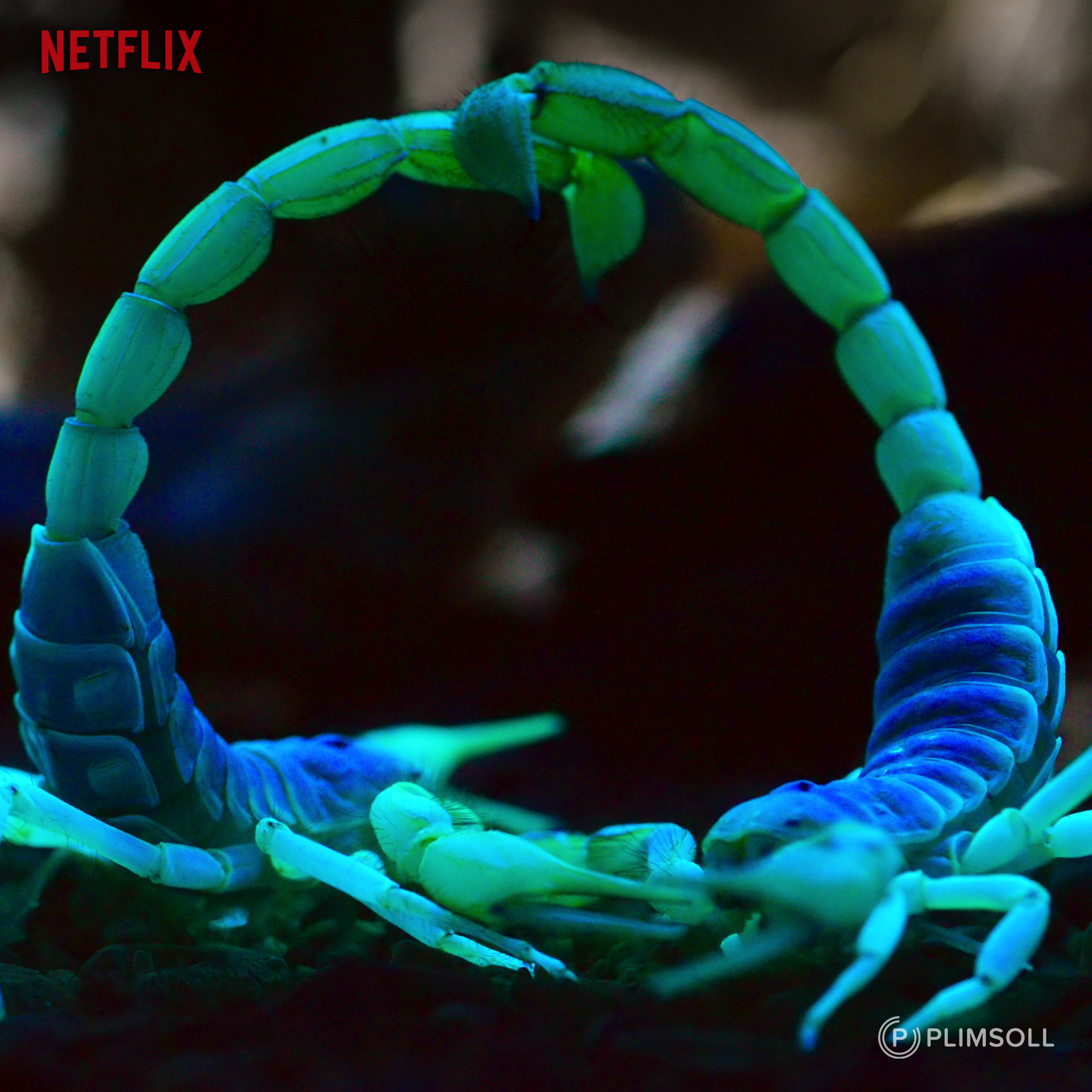
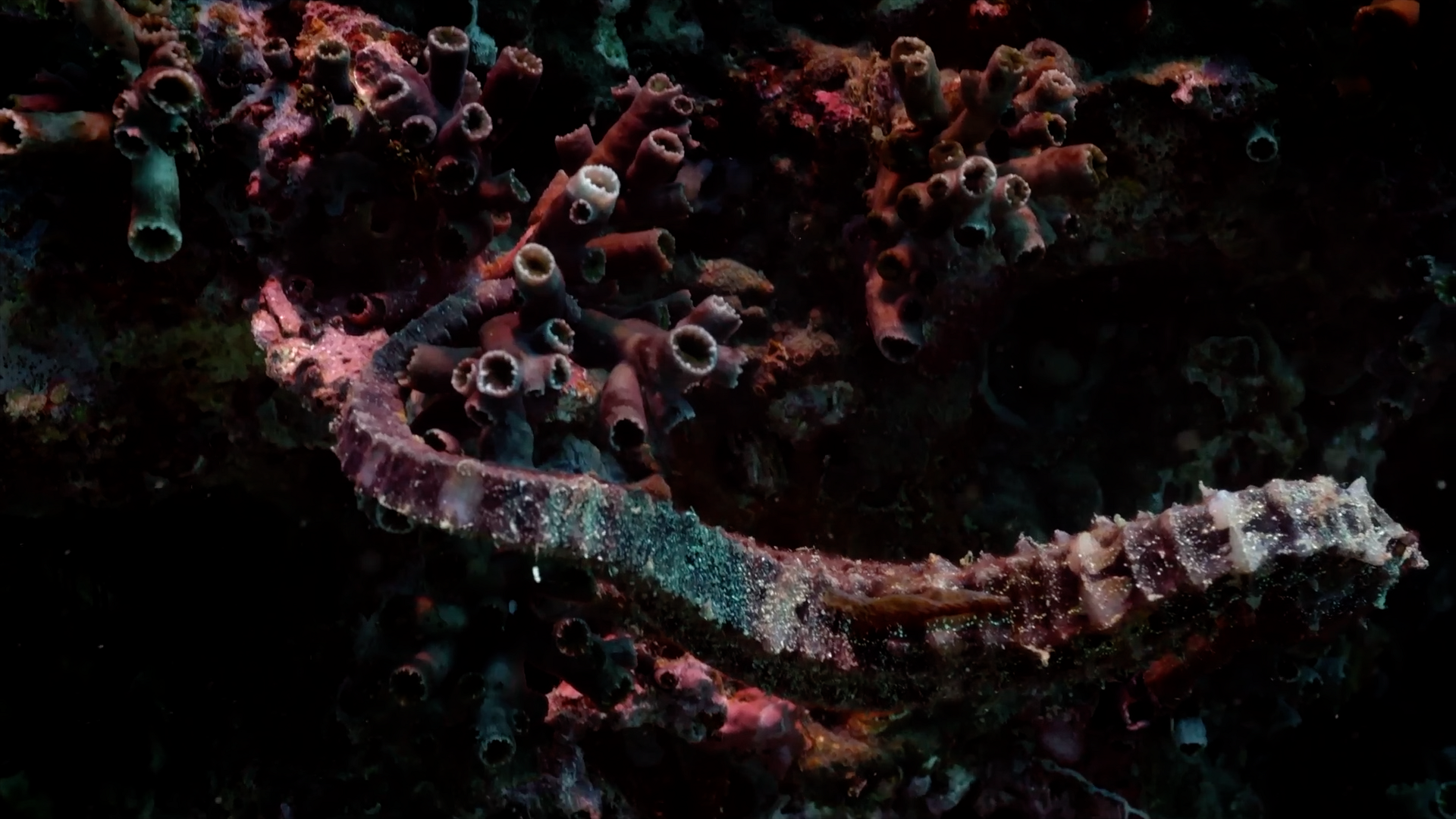
New technology reveals wonders of the planet in a completely new light. Across the globe we discover a hidden side to the world's greatest landscapes and animals. This series lifts night’s veil to reveal the hidden lives of the world’s creatures, from lions on the hunt to bats on the wing.

Mark’s work features in the following episodes (*)

Night on Earth: Dusk Till Dawn The night unfolds to reveal magic in the air, drama in the deep and danger on the ground as animals across the planet rise with the sunset (*orca in Norway - see a selection of stills taken from Mark’s sequence above)

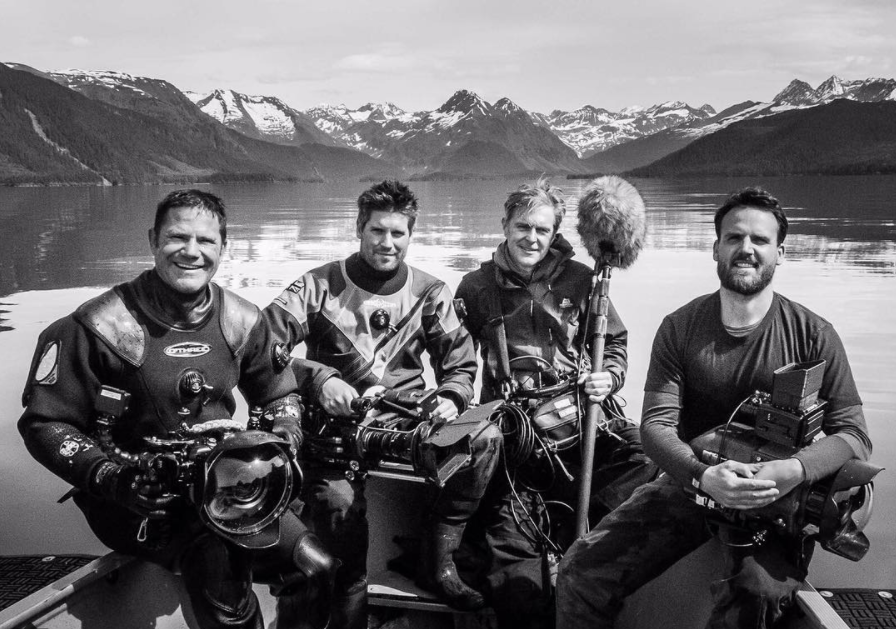
Night on Earth: Shot in the Dark This look behind the scenes shows how worldwide camera crews climbed, dived and froze to capture the documentary's ground breaking night footage (*behind the scenes in Norway - see a selection of stills captured from location above)

Night on Earth: Dark Seas The oceans’ tides ebb and flow in concert with the moon, and so do the lives of the creatures below, from the largest whale shark to the smallest prawn (*manta ray and plankton in Hawaii)

A selection of publicity stills taken from across the series:

Creative Scramble Podcast Interview

“As film-makers, film lovers and creative entrepreneurs we like to share our knowledge and learn from others as much as we can. The Creative Scramble podcast gives us the opportunity to chat to a variety of industry professionals - ranging from commercial directors to accredited film crew to dissect their road to success.”
— Dead Pixel Films

Apple podcast: Listen here
Mark gives an insight into the world of underwater film-making and seeing nature up close and personal

‘The role is a multi-faceted one…. it’s technical in that you work with the Producer to establish the best tools for the job (camera, lenses, lighting, grip and even sometimes developing new kit such as underwater sliders or quadpods). You also wear an editorial hat in the field – we are storytellers too and an important part of our role is to interpret the storyboard when on location; it’s a collaborative process. In the moment (when the wildlife behaviour presents itself) the creative juices are flowing and you are firing on all cylinders to make sure you get the shots in the bag’

Norway+2018.jpg

‘It’s like I’m a miner with a pickaxe – all you can do is to keep on digging and then provide a truck load of raw material; dirt but also gold and gems! It’s then down to the Editor and the Producer to finely craft the pieces into a work of art. It’s really satisfying and exciting to see the sequence come together… it takes me right back to the shoot and that specific moment on location’

‘You’re doing everything you can to minimise your presence in the water; rebreathers don’t produce bubbles and are much quieter, you can wear camouflaged dive gear so that you can blend in visually too and gradually edge closer to your subject. What I feel I can bring to the table is to be very calm within that environment – almost taking on the mindset of the animal and doing what I can to remove ‘myself’ from the scenario and ‘not be there’ whilst getting the footage’

‘The fundamental rule of anyone wanting to get into underwater camerawork is that you’ve got to be an absolute master scuba diver and conquered the skill of neutral buoyancy; that needs to be second nature so it’s a completely automatic process allowing you to be weightless underwater and in a position to move and follow wildlife without even thinking about it’

To view and listen to more interviews from The Creative Scramble courtesy of Dead Pixel Films click here